





-24x24h.jpg)


-24x24h.png)


E-Bikes
₹36,990.00
₹31,490.00
₹28,990.00
₹33,999.00
₹29,999.00
₹33,999.00
₹48,356.00
Categories

Mountain bikes are designed to..

Hybrid bikes, Commuter bikes or city bik..

As the name suggests, road bikes ar..

E-Bikes / Electric bikes are, as th..


Also known as urban or commuter bikes, c..
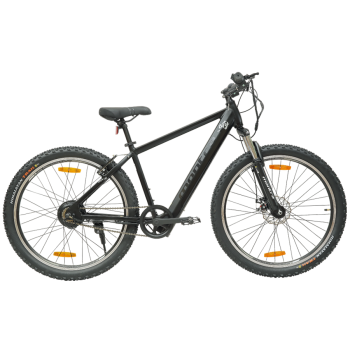
New
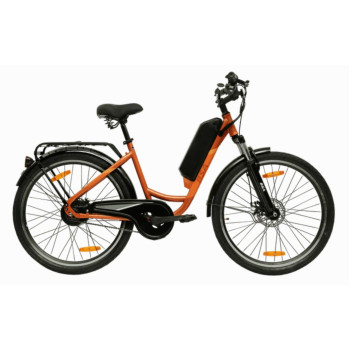
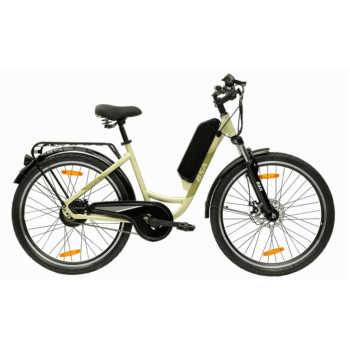
New
Brand: TI Cycles of India
Stock: In Stock
Unleash Power & Performance with the Hardstyle Pro Electric BicycleExperience the perfect fusion of strength, efficiency, and cutting-edge des..
from
₹31,499.00
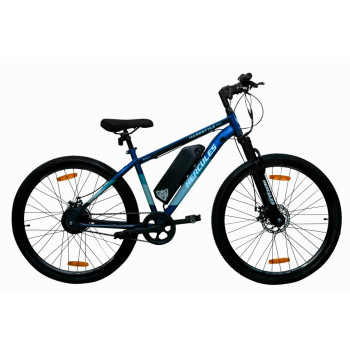
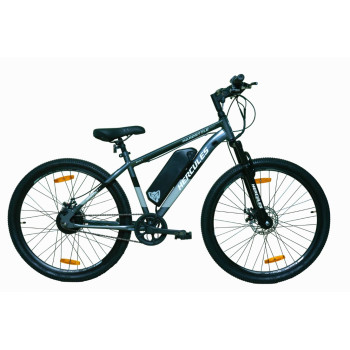
New
Brand: TI Cycles of India
Stock: In Stock
Unleash Power & Performance with the Hardstyle Pro Electric BicycleExperience the perfect fusion of strength, efficiency, and cutting-edge des..
from
₹28,499.00
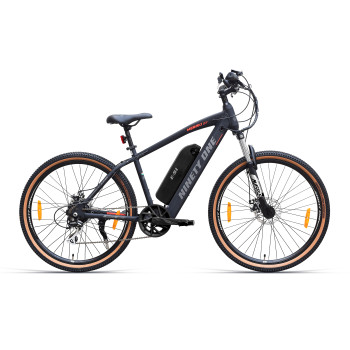
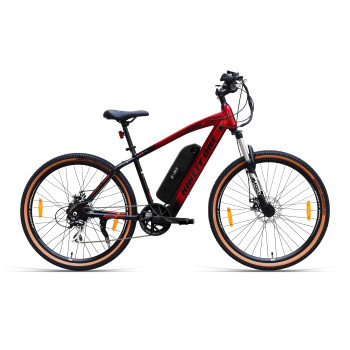
New
Brand: Alpha Vector 91 Cycles
Stock: In Stock
The bike Meraki S7 is created with the same passion and engineered to perfection to give you the ultimate ride experience.
from
₹48,356.00
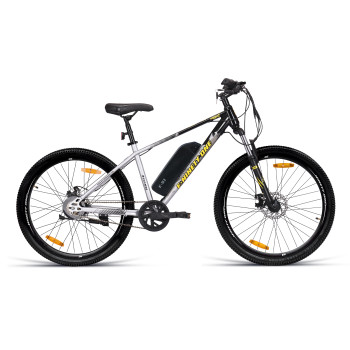
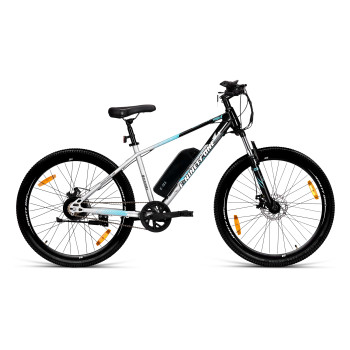
New
Brand: Alpha Vector 91 Cycles
Stock: In Stock
from
₹33,999.00
New
Brand: Alpha Vector 91 Cycles
Stock: In Stock
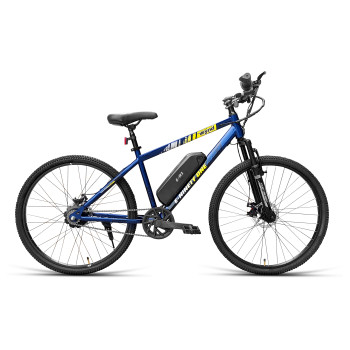
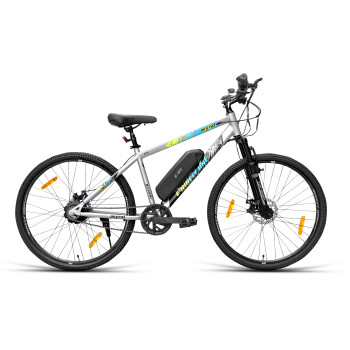
Experience the perfect fusion of cutting-edge technology and refined design with the WYND Electric Bicycle. Engineered for effortless performance, it ..
from
₹29,999.00
New
Brand: Alpha Vector 91 Cycles
Stock: In Stock
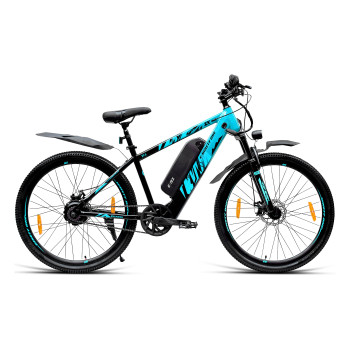
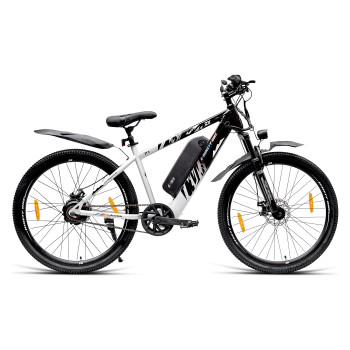
Introducing the All New ZX Electric Bicycle: Your ticket to swift and eco-friendly urban travel. Embrace the future of cycling with style and power, a..
from
₹33,999.00
New
New
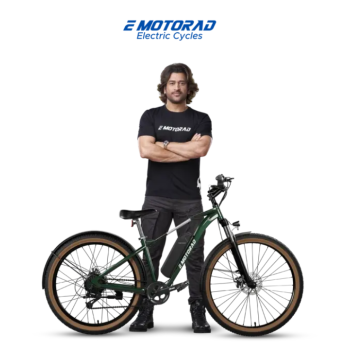
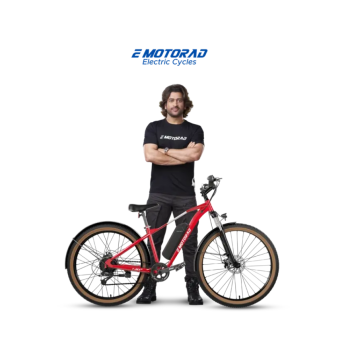
Brand: EMOTORAD
Stock: In Stock
Key SpecificationsMotor: 36V 250W rear hub motor Battery: Removable 36V, 10.2Ah lithium-ion battery Range: Up..
from
₹39,999.00

New
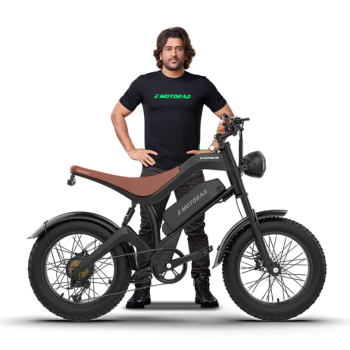
Brand: EMOTORAD
Stock: In Stock
Key Specifications & FeaturesMotor: EMotorad 48V 250W rear hub motor with auto-cut off braking.Battery: 48V 15.6Ah (0.75 kWh) r..
from
₹66,999.00
New
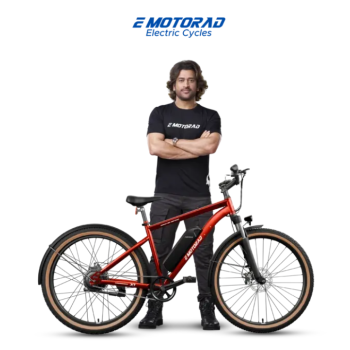
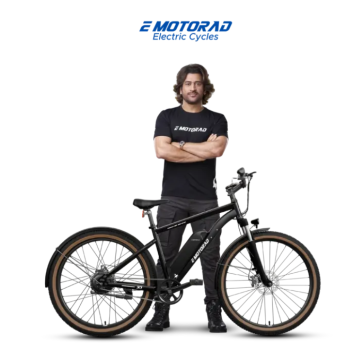
Brand: EMOTORAD
Stock: In Stock
Key Specifications & FeaturesMotor: Rear hub motor (250W standard, with upgraded 350W variants rolling out) Battery: Remov..
from
₹29,999.00
New
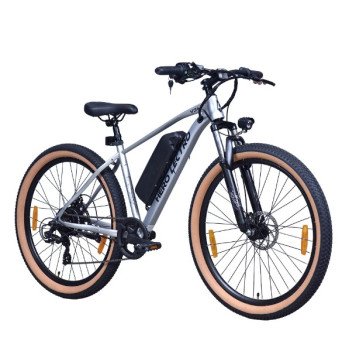
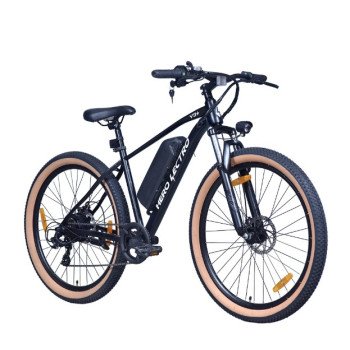
Brand: Hero Cycles
Stock: In Stock
The Y3 Plus takes everything great about the Y3 and gives you more control. With a 7.8Ah battery, 7-speed Shimano drivetrain, and a sharp LED display,..
from
₹31,490.00